Closing the Care Gap: How Health Systems Reach Vulnerable Communities
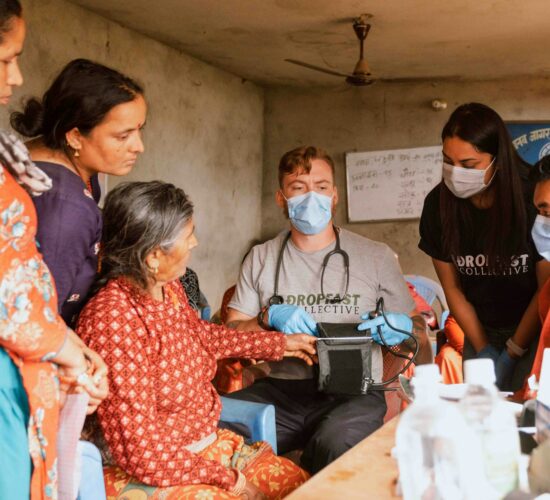
Health care can only improve lives when people can actually reach it. Yet many individuals face barriers tied to income, location, disability, housing, language, transportation, or social conditions. Effective health care access for vulnerable populations depends on more than having hospitals and clinics nearby. It requires systems that understand what prevents people from seeking care and then remove those barriers. When health organizations meet people where they are, they can support earlier treatment, stronger prevention, and better long-term outcomes. This approach also helps build trust with communities that may have felt overlooked or disconnected from traditional medical services.
Identifying Who Faces the Greatest Barriers
Vulnerable populations can include low-income families, older adults, people with disabilities, rural residents, individuals without stable housing, and people who have limited access to transportation. Some may also face language barriers or difficulty understanding medical information. Because these challenges often overlap, a single solution rarely works for everyone.
Health systems first need to understand local needs. Community surveys, public health data, patient feedback, and partnerships with local organizations can reveal where gaps exist. In addition, listening directly to residents helps providers understand problems that numbers alone may miss. This information allows health organizations to design services around real daily challenges instead of assumptions.
Bringing Medical Services Into Communities
For many people, traveling to a clinic can be difficult. Long distances, limited public transportation, work schedules, or mobility problems may delay important appointments. Therefore, health organizations increasingly bring services closer to patients through mobile clinics, neighborhood health centers, school-based programs, and community outreach events.
These local options can provide screenings, vaccinations, basic exams, health education, and referrals. They also give providers a chance to connect with people who might not otherwise enter a traditional medical setting. When care becomes easier to reach, patients have more opportunities to address concerns before they develop into larger health problems.
Building Trust Through Familiar Partnerships
Trust strongly affects whether people seek health care. Some communities may have experienced poor communication, limited access, or past treatment that left them hesitant to engage with medical institutions. As a result, simply offering a service does not always mean people will use it.
Partnerships with schools, faith groups, shelters, nonprofits, and neighborhood organizations can help close this gap. These groups often understand local concerns and already have trusted relationships with residents. Health providers can work with them to explain services clearly, answer questions, and guide individuals toward appropriate care. Over time, consistent outreach can make health systems feel more approachable.
Reducing Financial Obstacles to Treatment
Cost remains one of the strongest barriers to receiving care. People may delay appointments because they worry about medical bills, prescription costs, insurance limits, or lost wages from taking time off work. Even small expenses can become major obstacles for households with limited resources.
Programs that connect patients with insurance support, payment assistance, low-cost clinics, or prescription savings can make treatment more realistic. In addition, community health outreach programs can help people understand which services are available and how to access them. Clear guidance is important because complicated forms and unclear eligibility rules can discourage people from seeking help.
Using Technology Without Leaving People Behind
Telehealth has expanded access for many patients by allowing medical visits through video or phone calls. This can help people who live far from specialists, have limited transportation, or need more flexible appointment options. Remote care can also support follow-up visits and ongoing management of chronic conditions.
However, digital health tools are not equally available to everyone. Some people lack reliable internet, smartphones, private spaces, or confidence using technology. Therefore, health systems should offer both digital and in-person choices. Staff support, simple platforms, and telephone options can also help ensure that technology reduces barriers rather than creating new ones.
Addressing Language and Communication Needs
Health information must be understandable to be useful. Patients who speak different languages or have limited health literacy may struggle with medical forms, instructions, diagnoses, or medication directions. Misunderstanding this information can lead to missed appointments or improper treatment.
Professional interpreters, translated materials, simple language, and clear visual instructions can make care safer and easier to follow. Providers can also use teach-back methods, asking patients to explain instructions in their own words. This helps confirm understanding without making anyone feel embarrassed. Better communication gives patients more confidence to participate in decisions about their health.
Connecting Medical Care With Social Support
Health is affected by more than medical treatment. Housing, food access, transportation, education, employment, and personal safety can all influence a person’s well-being. A patient may receive good medical advice but still struggle to follow it if basic needs remain unmet.
For this reason, many health systems connect patients with social workers, case managers, food programs, transportation services, or housing resources. These connections help address problems that may interfere with treatment. When medical and social support work together, patients have a stronger foundation for managing their health and continuing care over time.
Creating Lasting Pathways to Better Health
Reaching vulnerable communities requires long-term commitment rather than occasional outreach. Strong, equitable health care delivery combines local services, affordable treatment, trusted partnerships, clear communication, and practical support. It also requires health organizations to keep listening as community needs change. Consistent relationships can make people more comfortable seeking preventive care instead of waiting until an emergency occurs.
Ultimately, effective health care reaches people by removing barriers one step at a time. When systems become easier to navigate, more respectful, and more responsive to everyday realities, vulnerable individuals gain better opportunities to protect their health. Stronger access also benefits entire communities by supporting earlier treatment, reducing preventable illness, and helping more people live healthier lives.
Additional Information
- James Sheets