Bringing Better Medical Care to Society’s Most Overlooked Communities
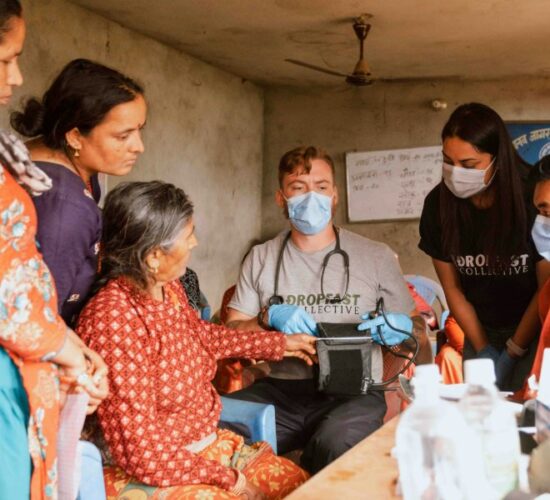
Access to quality medical care should never depend on a person’s income, background, age, or location. Yet many people still struggle to receive the treatment and support they need. Low-income families, older adults, people with disabilities, rural residents, and underserved communities often face barriers that prevent them from getting proper medical attention. These challenges can lead to untreated illnesses, delayed diagnoses, and poor health outcomes. Improving medical assistance for society’s most overlooked groups requires a thoughtful approach that puts people first. By expanding healthcare access, strengthening community support, and improving medical services, healthcare providers can help build healthier and more inclusive communities.
Understanding the Barriers to Medical Assistance
Many underserved individuals face challenges that make accessing healthcare difficult. Financial limitations remain one of the biggest concerns. Some families cannot afford regular doctor visits, prescription medications, or necessary medical procedures. Others lack health insurance or live far from hospitals and clinics. Transportation problems can also prevent patients from attending appointments, especially those who live in rural areas or depend on others for mobility. These obstacles often force people to delay treatment until their conditions become more serious.
Social and communication barriers can create additional difficulties. Some patients struggle to understand medical instructions because of language differences, limited health knowledge, or a lack of accessible information. People with disabilities may also encounter healthcare facilities that do not meet their needs. Older adults can experience similar challenges when they lack family support or assistance with daily activities. When medical systems overlook these concerns, patients may feel ignored or discouraged from seeking help. Recognizing these barriers is the first step toward creating healthcare services that reach everyone.
Expanding Affordable Healthcare Services
Affordable medical assistance plays an important role in improving public health. Healthcare providers, nonprofit organizations, and community programs can work together to make essential services more accessible. Low-cost clinics, free health screenings, and affordable medication programs can help people receive treatment without placing additional pressure on their finances. These services are especially valuable for families who struggle to manage everyday expenses while paying for healthcare. Making basic medical services affordable can encourage individuals to seek professional help before minor health concerns become serious problems.
Healthcare organizations can also explore flexible payment options and financial assistance programs. These solutions help patients receive necessary care without worrying about immediate costs. Community health centers can offer preventive services, routine examinations, and basic treatments at reduced prices. Hospitals can also connect eligible patients with charitable programs and local support organizations. Making these resources easier to find and use can encourage more people to seek medical attention early. Affordable healthcare does more than address immediate medical needs. It also supports long-term health, financial stability, and stronger communities.
Bringing Medical Care Closer to Underserved Communities
Geographic distance remains a major obstacle for people living in remote and rural areas. Some communities have limited medical facilities, few healthcare professionals, and unreliable transportation options. Traveling to a hospital may require several hours and additional expenses. These difficulties can become especially serious for patients who need regular examinations or ongoing treatment. Mobile medical clinics can help address these challenges by bringing basic healthcare services directly to neighborhoods that need them. They can provide health screenings, vaccinations, routine examinations, and medical guidance without requiring patients to travel long distances.
Telehealth services also create new opportunities for people who cannot easily visit healthcare facilities. Through phone calls and online appointments, patients can communicate with medical professionals and receive guidance from their homes. This approach can benefit older adults, people with mobility challenges, and individuals living far from hospitals. However, providers must consider internet access, digital skills, and language needs when developing these services. Not everyone has access to reliable technology. Combining mobile clinics with accessible telehealth options can make medical assistance more convenient and inclusive while helping healthcare professionals reach more patients.
Building Trust Through Compassionate Patient Care
Quality healthcare involves more than medical equipment, treatments, and professional expertise. Patients also need to feel respected, understood, and supported throughout their healthcare experiences. Many overlooked groups have faced discrimination, poor treatment, or difficulties communicating with medical professionals. These experiences can reduce trust and make individuals hesitant to seek future medical assistance. Healthcare workers can improve patient relationships by listening carefully, showing patience, and treating every individual with dignity. A compassionate approach helps patients feel comfortable discussing their symptoms, concerns, and personal circumstances.
Cultural awareness and clear communication are equally important. Medical professionals should understand that patients come from different backgrounds and may have unique concerns about treatment. Providing language assistance, explaining medical conditions in simple terms, and respecting individual preferences can improve the patient experience. Healthcare facilities should also make their spaces accessible to people with physical disabilities and other special needs. When healthcare providers practice compassionate communication, patients are more likely to share their concerns and follow treatment recommendations. A welcoming healthcare environment encourages stronger relationships, greater confidence, and better health outcomes.
Strengthening Community Partnerships and Preventive Care
Community partnerships can make healthcare programs more effective and accessible. Hospitals, local organizations, schools, charities, and public health agencies can work together to identify people who need additional support. These partnerships can organize health awareness campaigns, vaccination events, wellness programs, and free medical checkups. Local organizations often understand the specific challenges within their communities, allowing them to connect residents with suitable healthcare resources. Their involvement can also help healthcare providers reach individuals who may not know where to find affordable medical assistance.
Preventive care should remain a major priority when improving community health. Regular screenings, health education, and early medical attention can help identify health problems before they become severe. Teaching people about nutrition, physical activity, hygiene, and disease prevention can encourage healthier daily habits. Community health workers can play an important role by sharing reliable information and helping residents understand available medical services. Families should also receive guidance about routine examinations, childhood vaccinations, and age-related health concerns. Strong partnerships and preventive healthcare programs can reduce avoidable health problems while supporting healthier communities.
Creating a More Inclusive Future for Healthcare
Improving medical assistance for society’s most overlooked groups requires long-term commitment and cooperation. Healthcare organizations must recognize the needs of underserved populations and develop medical care services that address their financial, geographic, physical, and social barriers. Investing in affordable treatment, accessible facilities, trained healthcare professionals, and community-based medical care programs can help more people receive the attention they deserve. Healthcare leaders should also review patient feedback and identify areas where existing services need improvement. Regular evaluation can help organizations make better decisions and direct resources toward communities with the greatest needs.
Every individual should have a fair opportunity to live a healthy life. Better medical assistance can reduce healthcare inequalities, improve patient experiences, and strengthen entire communities. Governments, healthcare professionals, nonprofit organizations, and local leaders all have important roles in making this progress possible. By focusing on accessibility, compassion, preventive care, and long-term support, healthcare providers can create meaningful improvements that reach beyond hospital walls. A more inclusive healthcare system begins when every patient’s needs matter, and no individual or community is left behind.
Additional Information
- James Sheets